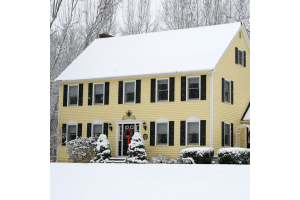
How Do I Choose the Right Outdoor Exterior Shutters for My House Style?
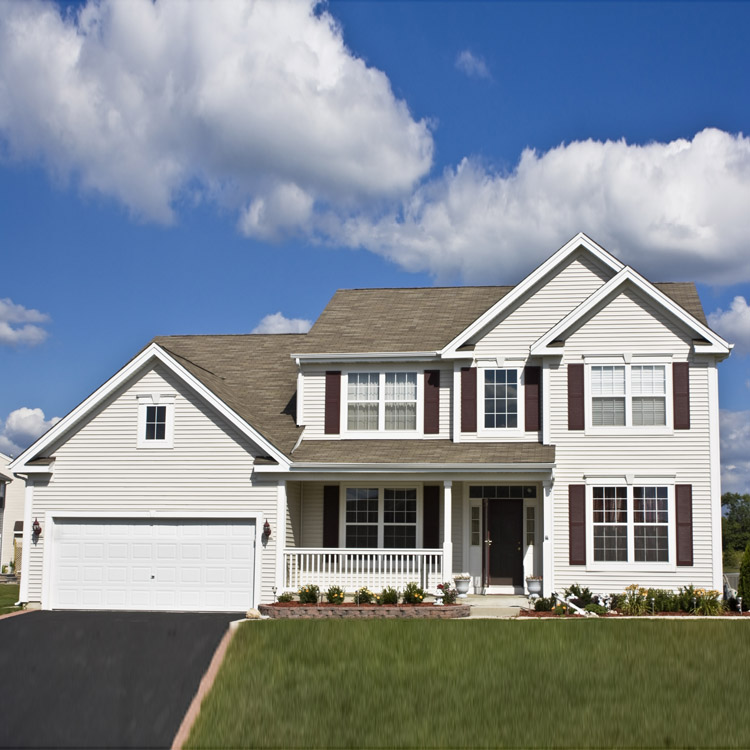
Walk through any well-kept neighbourhood, and you'll notice it instantly. Some houses just look right.
The shutters are a big part of that. The wrong style creates a visual mismatch that's hard to ignore. The right ones pull the whole exterior together without anyone quite knowing why.
Outdoor window shutters are one of the most affordable upgrades you can make to your home's exterior. A single style change can shift a house from forgettable to genuinely striking.
The right outdoor window shutters can instantly lift your home's curb appeal. But with so many styles, materials, and sizes available, picking the wrong ones is easy.
In this guide, we cut through all the confusion so you can shop with confidence, whether you are updating one window or outfitting your whole house.
You Should Start with Your House Style
Before you think about color or material, look at your home's architecture. The shutter style needs to feel like it belongs there, not like an afterthought.
Outdoor shutters for house styles vary widely, and the right match makes a real difference.
House Style | Best Shutter Style | Recommended Material |
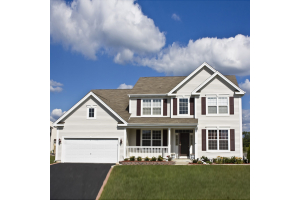
Colonial / Traditional | Louvered or Raised Panel | Wood or Composite |
Craftsman / Farmhouse | Board & Batten | Wood or Vinyl |
Coastal / Tropical | Bahama Shutters | Aluminum or Vinyl |
Victorian / Historic | Louvered or Raised Panel | Composite or Wood |
Modern / Contemporary | Flat Panel | Aluminum or Vinyl |
You should use this as your starting point. Each style pair has a logic to it. For example, board and batten shutters echo the vertical lines in Craftsman trim.
The flat panel shutters suit modern homes because they share the same clean geometry.
What Are Types of Shutter Styles?
Here are the major types of shutter styles that you should know:
Louvered Exterior Shutters
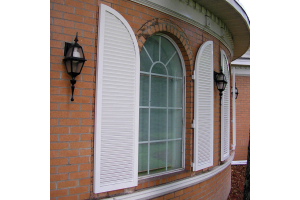
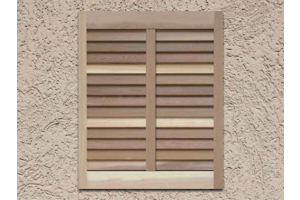
Louvered exterior shutters are the most popular style in America, and for good reason. The angled slats give classic curb appeal to almost any traditional home.
They work beautifully on Colonial, Cape Cod, and Georgian-style houses. Decorative Shutters offers both open and closed louver options in vinyl, wood, aluminum, and composite.
Raised Panel Exterior Shutters
Raised panel exterior shutters have a solid, dimensional look with a raised center panel. They suit Colonial, Victorian, and Federal-style homes especially well.
They project a sense of weight and permanence. Vinyl raised panel options start affordably, making them a smart choice for homeowners who want that formal look without overspending.
Bahama Shutters
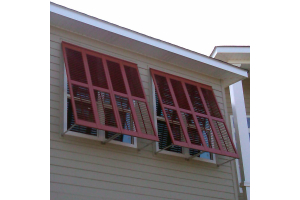
Bahama shutters hinge at the top and angle outward from the window. They're a signature look for coastal and tropical homes. They also provide genuine shade and airflow, making them more functional than purely decorative.
Aluminum Bahama shutters are especially popular because they resist moisture and salt air without warping or rusting.
Board & Batten Shutters
Board and batten shutters carry a rustic, farmhouse character. Vertical boards are held together by horizontal cross-pieces called battens.
They suit Craftsman bungalows, farmhouses, and country cottages very well. Available in open (spaced boards) or joined (solid) styles, depending on how much texture you want.
How To Choose the Right Material?
Style gets you started, but material determines how long your shutters last and how much upkeep they'll need. Here's a quick breakdown:
- Vinyl: Budget-friendly, low-maintenance, and fade-resistant. Great for most climates. Decorative Shutters' vinyl options start at just $28 per pair.
- Wood shutters exterior: Rich, authentic appearance. Best for homes needing that traditional warmth. Requires periodic painting or staining.
- Aluminum: Highly durable, rust-resistant, ideal for coastal and high-humidity regions.
- Composite: Mimics real wood grain with minimal maintenance. Popular in historic districts for its authentic look.
Why Custom Outdoor Shutters Make Sense?
Standard sizes rarely fit perfectly. Most windows have unique proportions, especially in older homes. Custom outdoor shutters let you specify the exact height and width you need, so the shutters actually look like they belong on the window, not just hung nearby.
At Decorative Shutters, all shutters can be ordered in custom sizes directly from the factory. You get a tailored fit at 30 to 50% off retail pricing, without compromising on quality. Every shutter is made in the USA and ships worldwide.
How to choose the right sizing?
When measuring your windows for outdoor shutters for windows, follow this rule: each shutter panel should be half the width of the window opening.
That way, if both shutters were closed, they would fully cover the glass. This is the traditional standard that keeps the proportions looking right.
Decorative Shutters provides a free measuring guide on their website to help you get accurate dimensions before you order.
Explore Your Custom Exterior Shutters at Our Online Store
FAQs
- What shutter style works best for a traditional colonial home?
Louvered exterior shutters or raised panel exterior shutters are both excellent choices. Louvered styles add texture and shadow lines, while raised panel options bring a more formal, structured look. Both work beautifully in wood or composite for a traditional home.
- Are Bahama shutters only for coastal homes?
Bahama shutters pair best with coastal, tropical, or Mediterranean architecture, but they can work on any home where you want to add shade and a relaxed, resort-like feel. Aluminum Bahama shutters are especially durable and low-maintenance in warm, humid climates.
- How do I know if I need custom outdoor shutters vs. standard sizes?
Measure your window height and width. If your dimensions fall between standard sizes, or if you have arched, angled, or unusually proportioned windows, custom outdoor shutters are the better investment. They'll look intentional rather than like an afterthought.
- Which shutter material requires the least maintenance?
Vinyl requires the least upkeep — no painting, no staining, and no rotting. Aluminum comes close behind, especially in coastal conditions. Wood shutters exterior options are the most work but offer unmatched natural beauty for those willing to maintain them.
- Can I order a sample before committing to a full order?
Yes. Decorative Shutters offers samples so you can check color, texture, and quality in person before placing a larger order. This is especially useful when matching shutters to existing trim colors or siding materials.
Conclusion
Choosing the right outdoor window shutters comes down to three things: your house style, your climate, and your maintenance preferences.
Match the shutter style to your architecture first. Then pick a material that fits your environment and how much upkeep you're willing to do. Finally, measure carefully — and when in doubt, go custom.
Decorative Shutters offers factory-direct pricing on a full range of styles, from louvered exterior shutters and raised panel exterior shutters to Bahama shutters, board and batten, and more, across vinyl, wood shutters exterior, aluminum, and composite.
All made in the USA, all available in custom outdoor shutter sizes. Explore the full collection at decorativeshutters.com and find the right fit for your home.