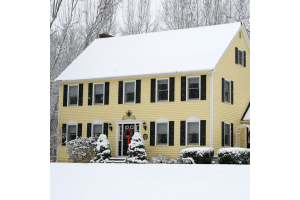
What Makes Composite Shutters a Smart Choice for Your Home
A lot of homeowners don't think about shutters until something starts to feel off. Maybe your exterior looks flat, or the upkeep of your existing shutters becomes a chore.
That's usually when you need something that looks good but doesn't demand attention every season. If you're exploring shutters for the house, it's worth understanding what makes composite shutters stand out.
Here’s what makes them a smart choice for your home.
Why Are Composite Shutters a Popular Choice?
Composite shutters have become one of the go-to options for many homes.
They strike a balance between durability, style, and practicality without the trade-offs often associated with traditional materials.
- Reduce Ongoing Maintenance: One of the biggest advantages is how little effort they require after installation. You are not dealing with seasonal repainting or worrying about moisture after heavy rain.
- Hold Their Shape & Structure: Wood expands and contracts, and over time, it can lead to warping and cracking. Composite materials are engineered to stay stable, which means your shutters keep their form and alignment.
- Offer Design Flexibility: Whether you prefer composite louvered shutters or composite board & batten shutters, they aren't sacrificing durability for style as you get both.
- Perform Well in Different Climates: Composite shutters handle a wide range of weather conditions with ease. They stay stable and strong, which means no quick rot or splitting.
- Support Consistent Curb Appeal: They keep looking sharp and put-together for years because fading, warping, or peeling just isn't an issue. Your home's exterior stays polished and maintained-looking without you having to repaint frequently.
What Are the Different Styles of Composite Shutters for Your Home?
One of the biggest advantages of composite shutters is how versatile they are.
The shutters are not limiting you to one look. Instead, you can match your shutters to your home’s architectural style without compromising on durability.
Some of the popular styles you can include:
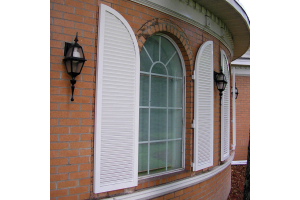
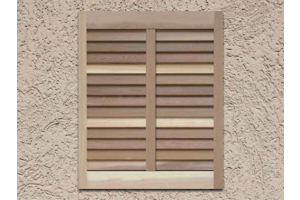
These are the most familiar styles, defined by horizontal slats that create depth and shadow. They are available with both open louvers or faux louvers. They also bring movement to your exterior, which is why they often add visual interest to flat facades.
Best suited for: Traditional homes such as Colonial, Southern styles, and Cape Cod. Also, if your home needs more structure or dimension, or in areas needing airflow or light filtration.
Skip if: Your home has a modern or minimalistic design or if your window sizes are small, louvers can feel visually busy.
Composite Raised Panel shutters have a solid, structured look with a central panel that helps add depth without using slats. Also, they can feel more formal and grounded compared to a louvered design.
Best suited for: If your home is Colonial or Georgian style architecture, or if you are looking for a refined and classic appearance, this is for you.
Skip if: Your home leans more toward contemporary style or prefers light and open-looking designs.
Composite Flat Panel shutters strip things back to the basics. There are no grooves or slats, just a smooth, clean surface that blends with your house instead of standing out.
Best suited for: It's an ideal choice for smaller homes where simplicity keeps things balanced. Also, it is suitable for modern and traditional homes.
Skip if: Your house exterior already feels plain, this style won't add contrast, or add depth. They may not be suitable for a traditional or historic look.
The style uses vertical boards held together by horizontal battens, creating a rustic, handcrafted feel. It's less formal and brings a character to the exterior.
Best suited for: Homes with natural materials like wood or stone. Aluminum windows, where lines can add height, especially for farmhouse, cottage, or country style architecture.
Skip if: Your home has an urban or polished aesthetic. They may not be suitable if you're looking for symmetrical or formal exteriors.
Originating in New Orleans, this style is a striking combination of louvered and raised-panel shutters. Combination Shutters appeal to those looking for an uncommon exterior accent, and are a great fit for just about any style of home.
Best suited for: This style works best with traditional homes and offers a wonderful mix of aesthetics.
Skip if: Your home is fairly rustic or less formal in look.
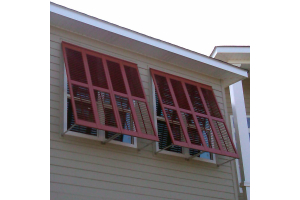
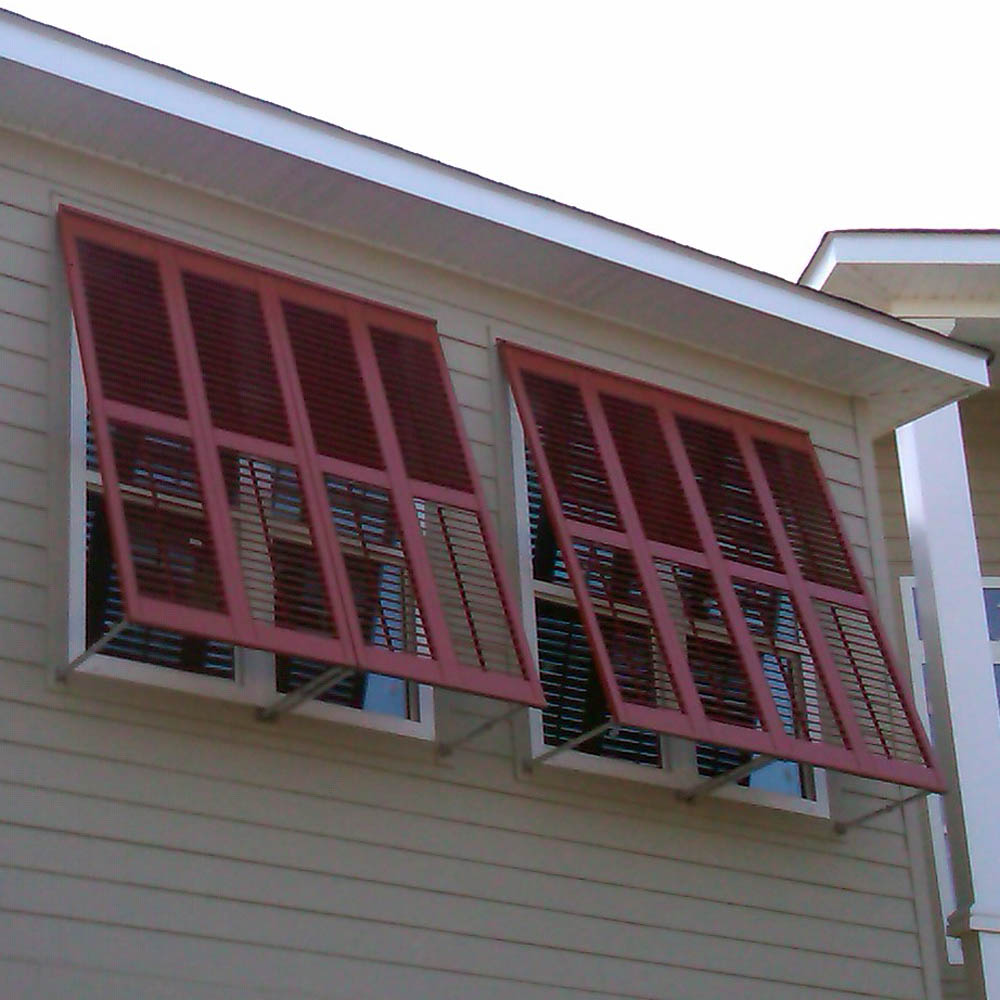
Mounted at the top and propped open outward, composite Bahama shutters are as functional as they are distinctive. They offer shade while allowing ventilation and light.
Best suited for: Homes in warmer or sunny climates, especially for coastal or tropical style architecture, but can be used in northern climes just as easily.
Skip if: If your home follows a strict traditional style, these shutters wouldn’t work with.
How Are Composite Shutters Different from Traditional Materials?
Each type has its own place, but the difference becomes clear when you look at performance over time.
Feature | Composite Shutters | Wood Shutters | Vinyl Shutters |
Durability | Perform well in all weather, resist moisture, and everyday wear | Tend to warp, swell, or can rot when not properly maintained over time | Have a tendency to fade after many years outside |
Maintenance | Almost zero effort, just light cleaning twice a year. | Regular painting, sealing, and refinishing to keep them looking good | Low day-to-day work, but not as durable. |
Appearance | Very consistent finish that stays attractive year after year | Beautiful real wood grain, but it changes color and weathers unevenly | Faux wood grain appearance, but lack the depth of composite |
Longevity | Built to stay stable and perform for a very long time | Shorter life, especially in climates with big temperature swings or high humidity | Decent run, but noticeably shorter than composite in most situations |
Versatility | Huge range of styles, colors, and finishes to match pretty much any space | Similar style options, however lifespan will differ due to the material | No option for Bahama shutter. Hollow backed shutter so not able to be a working shutter |
Tips to Help Composite Shutters Become a Long-Term Pick
Even though composite shutters offer many advantages, the real win comes when they actually suit your home both in appearance and versatility.
Here are a few practical things worth thinking about:
- If you've got a more classic or traditional setup, raised-panel composite shutters usually feel right at home as they add that timeless, structured depth.
- On the flip side, if your place leans modern or clean-lined, flat-panel (sometimes referred to as shaker-style) versions tend to blend in better with their simpler, sleeker profile.
- If your home gets a lot of sun or moisture, prioritize styles and finishes that complement the climate conditions.
- Consider your window size and spacing. For larger windows, choose wider panels or styles that add depth, like composite louvered shutters.
- Shutters should enhance your home, so keep the balance in mind. Make sure the proportions are right instead of choosing bold styles that may overwhelm it.
- Go with styles that will appreciate years down the line, not just something that feels current.
Find Your High Quality Composite Shutters for Lasting Curb Appeal
FAQs
Are composite shutters better than wood in tough weather?
They are especially suitable for moisture, humidity, or intense sun. Composites resist warping, cracking, and rotting far longer than traditional wood shutters while keeping a similar classic appearance.
How long do composite shutters typically last?
With minimal maintenance, composite shutters can last for years. They do not lose shape or appearance, making them a long-term solution.
Which style is ideal for hot or coastal areas?
Composite Bahama shutters provide shade, airflow, and extra storm protection. A louvered version is also ideal if you want more adjustable ventilation.
Will they improve curb appeal and resale value?
Yes, Composite Bahama shutters add fresh-looking, low-maintenance exterior details that catch buyers eyes and improve overall resale value.
Conclusion
Shutters often sit in the background of home design, but they play a bigger role than most homeowners realize.
They frame your windows, boost your home's curb appeal, and quietly cut down on the long-term maintenance your exterior demands.
What makes composite shutters stand out is how well they balance both the looks and the practical side without any major trade-offs.
We at Decorative Shutters offer a wide range of high-quality composite shutter designs to enhance your home exterior with minimal upkeep.